Our History
A landscape shaped by time
The land surrounding Randilen Plains carries a story far older than the idea of safari itself. Formed over millions of years through geological movement and volcanic activity, this landscape is part of the ancient rift system that defines much of East Africa.
The open plains, scattered acacias and distant volcanic silhouettes create a setting that feels both expansive and timeless. Long before it became a place for travellers to experience the wild, the area drew the attention of scientists and researchers fascinated by its geological history.
Randilen once served as a small research base for geologists studying the ancient soils and volcanic formations that shape the region today.
The origins of the lodge
The lodge itself was originally developed by a Belgian volcanologist who developed a deep connection to the land. What began as a scientific interest gradually evolved into a vision of sharing this landscape with others.
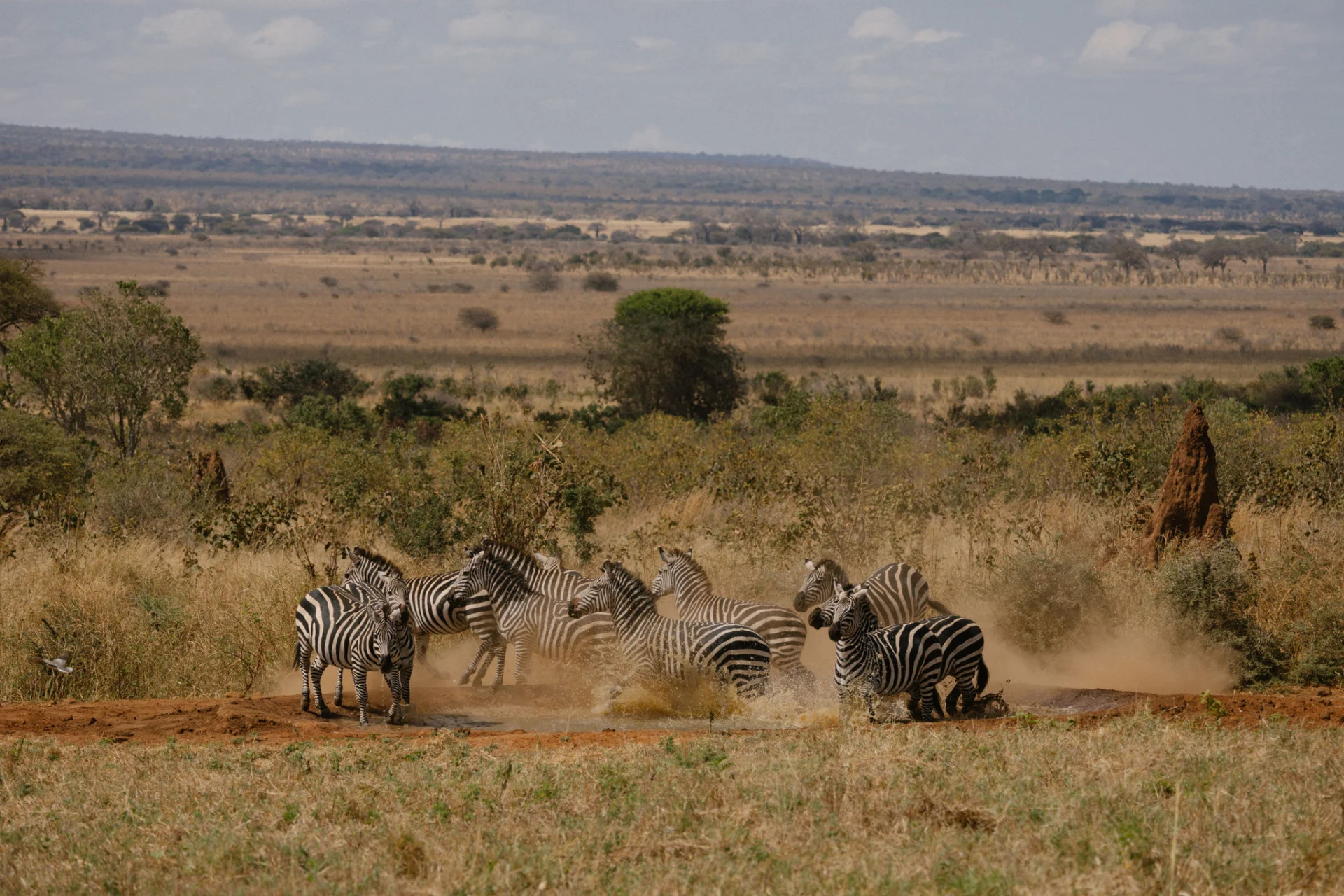
Rather than imposing a conventional lodge upon the environment, the design sought to reflect the traditions of the land. Inspired by the circular forms of Maasai bomas and created by a Spanish architect known for her work in Ibiza, the lodge was conceived to sit naturally within its surroundings.
The result is architecture that feels both grounded and distinctive. Organic forms, natural materials and open views allow the landscape to remain the central presence.
A partnership with the land and its people
Randilen Plains is located within Randilen WMA, a community-owned Wildlife Management Area governed by the local Maasai, forming part of the greater Tarangire ecosystem. Together, we protect wildlife, preserve this unique land, and respect the cultures that depend on it.
Randilen lies on land leased in partnership with local Maasai communities. These partnerships form an essential part of the area’s long-term sustainability, ensuring that conservation and community development move forward together.
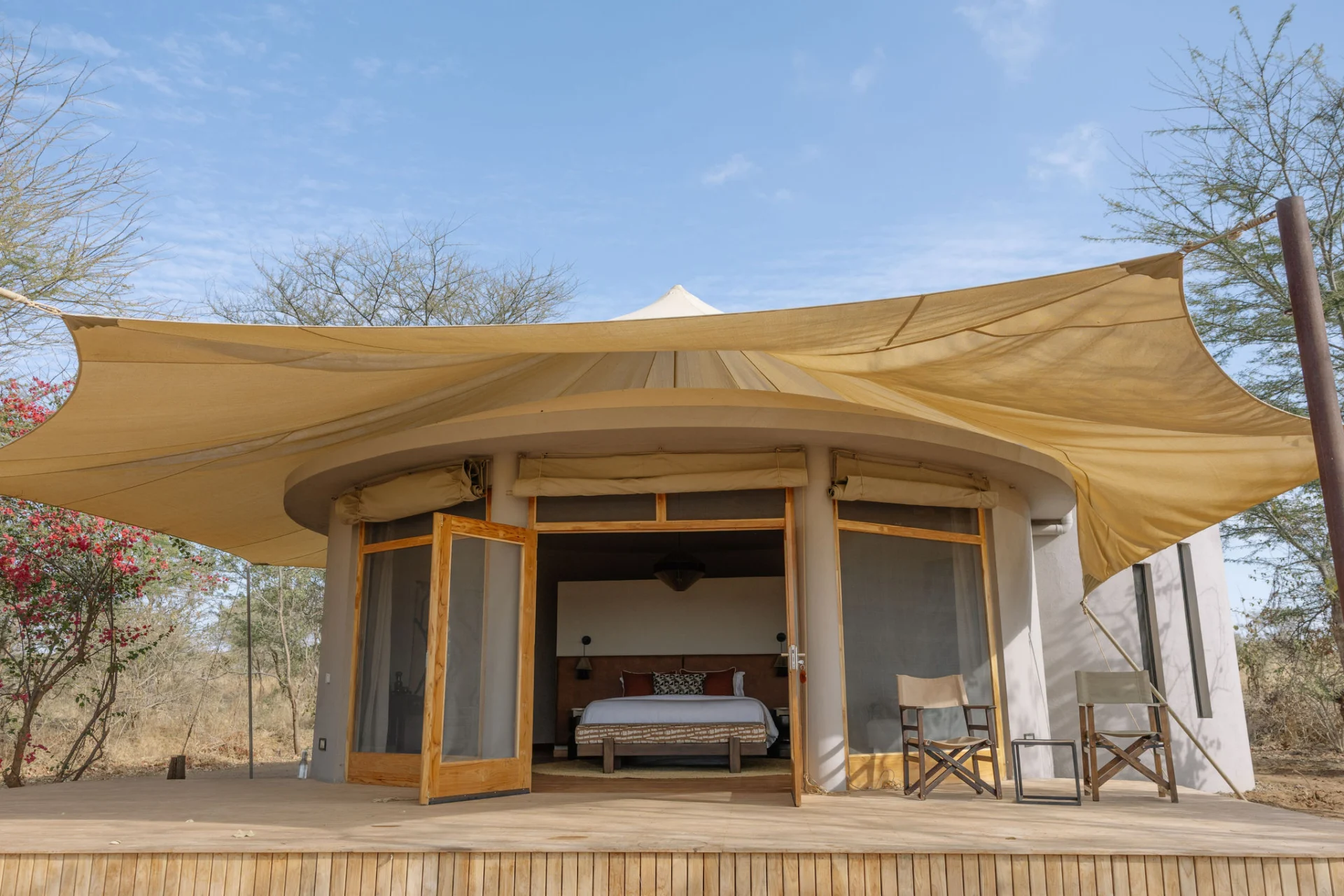
Over time, this approach has had a tangible impact on the landscape. Wildlife populations have stabilised, most notably elephant herds, which are now more frequently seen moving through the area and gathering at nearby water sources.
Through land agreements, employment and collaboration with surrounding communities, tourism here contributes directly to the livelihoods of those who have lived alongside this ecosystem for generations.
The relationship between people, wildlife and land remains fundamental to the identity of Randilen.
A new chapter
Today, Randilen enters a new chapter under new ownership, shaped by a deep and personal connection to East Africa.
The current owner, having grown up in Kenya and now living in Tanzania with his family, brings a lifelong familiarity with the landscapes and wildlife of this region.
This connection informs a clear and considered vision for Randilen. One rooted in conservation, long-term partnerships with local communities, and a commitment to creating an authentic safari experience.
The lodge and bush camp remain intentionally small, designed to offer space, privacy and a sense of stillness within the wilderness. Here, thoughtful design and attentive hospitality come together with the presence of the wild to create something quietly exceptional.